

Pediatric allergology
Early diagnosis of allergies in children is essential to control symptoms, improve quality of life, and prevent the progression of allergic disease.
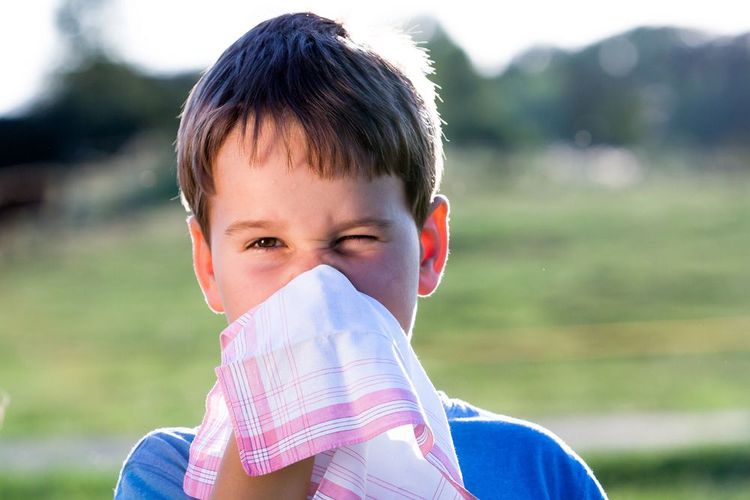
Pediatric allergology deals with the diagnosis, treatment, and monitoring of allergic diseases that may appear during childhood. Allergies in children can manifest themselves as early as the first months of life with respiratory, skin, or food-related symptoms and, if not properly recognized, can interfere with the child's well-being and development.
At Dr. Stefania Milani's practice, each young patient receives a personalized approach, through a careful clinical evaluation and, when necessary, targeted allergy testing to precisely identify the responsible allergens.
When is a pediatric allergy visit recommended?
A specialist visit is indicated when the child presents recurrent or persistent symptoms that suggest an allergic disease.
Among the most frequent signs we find:
- rhinitis with sneezing and stuffy nose;
- persistent cough;
- asthma or wheezing;
- atopic dermatitis;
- urticaria;
- reactions after eating;
- allergic conjunctivitis;
- swelling after insect bites.
An early diagnosis allows for timely intervention and reduces the risk of complications.

Which allergies can be diagnosed?
During a pediatric allergy visit, it is possible to examine numerous conditions in greater depth.
Among the most frequent:
- pollen allergies;
- dust mite allergy;
- food allergies;
- pet allergies;
- allergic dermatitis;
- drug allergies;
- allergies to hymenoptera venom.
Each child has different characteristics and the diagnostic process is always personalized.
How does the visit take place?
The pediatric allergy visit begins with a detailed collection of the child's and family's medical history.
The specialist evaluates:
- symptoms;
- age of appearance;
- seasonality;
- diet;
- home environment;
- any allergic history;
- growth and development.
When necessary, the following can be performed or prescribed:
- Prick Test;
- Patch Test;
- specific IgE dosage;
- other targeted allergy tests.
The goal is to obtain an accurate diagnosis while avoiding unnecessary tests.


Treatment of allergies in children
Once the cause of the symptoms has been identified, a personalized treatment plan is defined.
Treatment may include:
- allergen exposure control;
- drug therapy;
- family education;
- periodic checks;
- allergen-specific immunotherapy (when indicated).
Correct treatment allows the child to carry out daily, school and sports activities normally.
FAQ
Clear answers to the most common questions before your diagnostic visit.
At what age can a pediatric allergy exam be performed?
The visit can be performed in the first months of life when the child presents symptoms compatible with an allergic pathology.
What symptoms should lead to suspicion of an allergy in a child?
Recurrent rhinitis, persistent cough, atopic dermatitis, hives, wheezing, or reactions to certain foods may require an allergy evaluation.
Are allergy tests painful?
The main skin tests, such as the Prick Test, are minimally invasive and generally well tolerated even by children.
Can childhood allergies go away as children grow older?
Some allergies may improve or resolve over time, while others may persist. This is why specialist monitoring is important.
When is it advisable to book a pediatric allergy appointment?
When symptoms recur frequently, do not improve with treatment, or interfere with the child's sleep, school, or daily activities.
Still have questions? Book an allergy consultation and receive personalized answers from Dr. Milani.
Studio in Monza · Via Maggiolini 9/A
Allergy consultation in Monza
If you'd like to clarify the origin of your symptoms or receive a specialist evaluation, Dr. Stefania Milani is available to guide you through a personalized diagnostic and therapeutic process.


