


Raynaud's phenomenon
Cold hands, white or blue fingers, or even a swollen hand may be a sign of a temporary circulatory disturbance. A specialist diagnosis can help identify the cause and determine the most appropriate treatment.
Raynaud's phenomenon is a condition characterized by episodes of sudden narrowing of the small blood vessels in the extremities, usually triggered by cold or emotional stress. During these episodes, the normal blood flow to the fingers, and more rarely to the toes, nose, or ears, temporarily decreases, causing the characteristic skin discoloration.
In most cases, the condition is benign, but sometimes it can represent the first sign of an autoimmune disease or another systemic illness. For this reason, it's important not to underestimate recurring symptoms and to consult a specialist for a thorough evaluation.
What is Raynaud's Phenomenon?
Raynaud's phenomenon is caused by vasospasm, a sudden contraction of small blood vessels that temporarily reduces circulation to the body's extremities. This response can be physiological when it serves to limit heat loss, but in predisposed individuals, it is excessive and causes recurrent episodes.
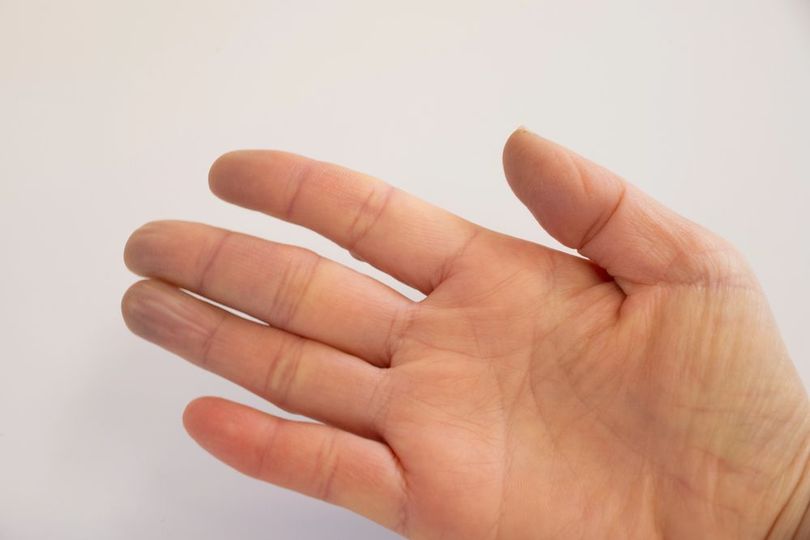
The most characteristic manifestation is the change in color of the fingers, which generally occurs in three phases:
- paleness (white fingers) due to reduced blood flow;
- bluish coloration due to decreased oxygenation of the tissues;
- redness when circulation returns to normal.
During episodes, a sensation of intense cold, tingling, numbness, and pain may also occur, especially during the recovery phase. The frequency and duration of attacks vary from person to person and may change over time.
Causes and risk factors
Raynaud's phenomenon can be divided into primary and secondary forms, two conditions that require a different approach.
Primary Raynaud's phenomenon
This is the most common form and is not associated with other diseases. Although it causes discomfort during episodes, it generally does not cause permanent tissue damage and can be controlled with a few simple precautions.
Secondary Raynaud's phenomenon
Instead, it is the consequence of an underlying pathology or specific predisposing factors. The most frequently associated conditions include:
- scleroderma;
- systemic lupus erythematosus;
- connective tissue;
- polymyositis and dermatomyositis;
- rheumatoid arthritis;
- other autoimmune diseases.
Some external factors can also contribute to the onset of episodes, including:
- repeated exposure to cold;
- use of vibrating tools;
- cigarette smoke;
- trauma to the hands or wrists;
- taking certain medications, such as beta-blockers;
- alterations in thyroid function.
Identifying the cause is essential to distinguish a benign form from one that requires further diagnostic investigation.

Symptoms of Raynaud's Phenomenon
Symptoms mainly affect the fingers, but can also involve the feet, nose, and ears.
The most common manifestations include:
- white fingers;
- blue or purple hands;
- subsequent redness;
- very cold hands;
- tingling;
- temporary loss of sensation;
- pain during the return of circulation.
In more severe forms, especially when the phenomenon is secondary to an autoimmune disease, the prolonged reduction in blood flow can favor the appearance of digital ulcers or small skin lesions that require specific treatment.
Diagnosis of Raynaud's Phenomenon
Diagnosis begins with a specialist visit during which the symptoms, the frequency of episodes, the circumstances in which they appear, and the possible presence of other pathologies are evaluated.
One of the most important tests is periungual capillaroscopy, which allows us to observe the small blood vessels at the base of the nails and identify any alterations typical of connective tissue diseases.
When a secondary form is suspected, further tests may be prescribed, such as:
- blood tests;
- ANA autoantibody screening;
- anti-ENA test;
- other targeted tests based on the clinical picture.
An early diagnosis allows for the timely recognition of any autoimmune diseases and the setting of the most appropriate therapeutic path.

Frequently Asked Questions
FAQ
Do you have specific questions about your situation? Contact the firm for a consultation.
What is Raynaud's Phenomenon?
It is a circulatory disorder characterized by the temporary narrowing of the small blood vessels in the extremities, resulting in the appearance of white, blue, and later red fingers.
Why do hands turn blue?
The hands may turn blue when blood flow is temporarily reduced, as occurs during an episode of Raynaud's phenomenon.
How is Raynaud's phenomenon diagnosed?
The diagnosis is based on a specialist examination and can be completed with periungual capillaroscopy, blood tests and autoantibody research when a secondary form is suspected.
Is Raynaud's phenomenon always linked to an autoimmune disease?
No. The primary form is the most common and is not associated with other pathologies. The secondary form, however, may be related to autoimmune or connective tissue diseases.
How can Raynaud's episodes be prevented?
Protecting your extremities from the cold, avoiding smoking, reducing temperature changes, and following your doctor's instructions can help reduce the frequency of episodes.
Studio in Monza · Via Maggiolini 9/A
Raynaud's phenomenon: when to book a consultation
If you'd like to clarify the origin of your symptoms or receive a specialist evaluation, Dr. Stefania Milani is available to guide you through a personalized diagnostic and therapeutic process.


